“Lipids and Health” Conference: Early Diagnosis, Multidisciplinary Care and Access to Treatment
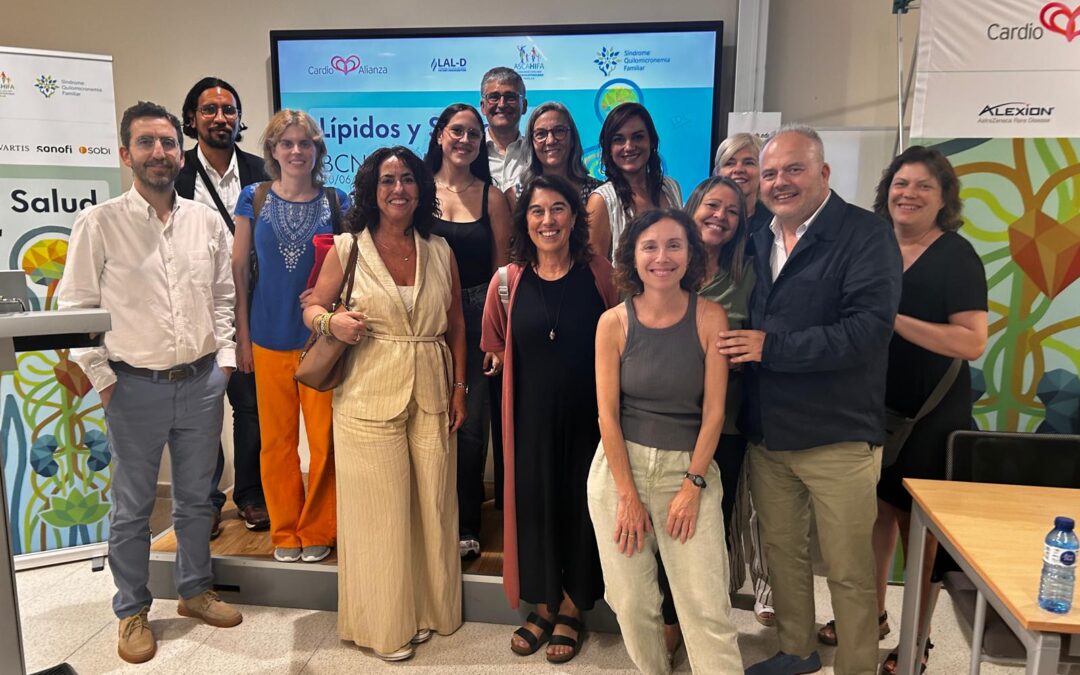
On June 30, the Faculty of Medicine of the University of Barcelona hosted the “Lipids and Health” conference, organized by Cardioalianza, the Catalan Familial Hypercholesterolemia Association (ASCAHIFA), the Familial Chylomicronemia Syndrome Association, and LAL-D Patient Organization.
The event brought together patients, family members and healthcare professionals to discuss the impact of lipid disorders on health and to highlight the challenges and advances in the diagnosis, management and treatment of lipid-related diseases.
Lipids: Much More Than Numbers on a Blood Test
One of the key messages throughout the conference was that lipids are not simply laboratory values.
Behind alterations in LDL cholesterol, triglycerides, or lipoprotein(a) there may be cardiovascular, metabolic, hepatic or genetic diseases that can significantly affect a person’s health and quality of life.
Experts explained how these disorders can contribute to the development of heart attacks, strokes, peripheral arterial disease and other serious complications, emphasizing that prevention and early detection remain essential tools for reducing risk and improving patient outcomes.
Early Diagnosis Saves Lives
A central theme of the conference was the critical importance of early diagnosis.
Speakers highlighted that many of these conditions begin in childhood but often remain undetected for years due to a lack of clinical suspicion or limited awareness of rare diseases.
Participants stressed the need to:
- Improve education and training on rare and metabolic diseases in Primary Care.
- Strengthen clinical suspicion and referral pathways to specialized units.
- Promote early detection programs.
- Expand family screening strategies to identify affected relatives before complications arise.
Particular attention was given to the importance of newborn screening, pediatric screening and cascade family screening, which can lead to earlier diagnoses, timely treatment and better long-term outcomes for both patients and their families.
The Patient Voice: Putting a Face to Rare Diseases
One of the most powerful moments of the conference was the patient panel, where representatives from the organizing associations shared their personal experiences.
Their testimonies reflected a reality shared by many people living with rare diseases: years of uncertainty, unexplained symptoms, delayed diagnoses, multiple medical consultations and the significant emotional, social and family impact of living with a chronic condition.
These stories demonstrated how a timely diagnosis can completely change the course of a disease by allowing access to specialized care, appropriate treatment and a better quality of life. They also highlighted the essential role of patient organizations in providing support, information, advocacy and community.
The Role of Primary Care and Multidisciplinary Coordination
The multidisciplinary panel addressed some of the major challenges currently facing healthcare systems in the management of lipid disorders.
Speakers agreed that Primary Care professionals play a critical role, as they are often the first point of contact for patients. Improving education and awareness among healthcare professionals is essential because conditions that are not suspected are unlikely to be diagnosed.
The discussion also emphasized the importance of stronger collaboration between Primary Care, hospitals and specialized lipid units to reduce diagnostic delays and ensure continuity of care.
Access to Treatment: An Ongoing Challenge
Another important topic was access to treatment.
Experts highlighted the existence of effective therapies that can significantly reduce cardiovascular risk and improve the prognosis of many lipid-related diseases. However, they also acknowledged that barriers to accessing innovative treatments still exist and may create inequalities among patients.
Ensuring equitable access to approved therapies, regardless of where patients live or which disease they have, remains a key priority for both healthcare professionals and patient advocacy organizations.
LAL-D Patient Organization’s Contribution
LAL-D Patient Organization played an active role throughout the conference.
The organization was represented in the patient panel by a person living with Lysosomal Acid Lipase Deficiency (LAL-D), who shared both personal and family experiences of living with this rare disease.
In addition, Eduardo López, President of LAL-D Patient Organization, moderated the multidisciplinary professional panel, leading discussions on early diagnosis, Primary Care education, clinical pathways, screening programs and access to innovative therapies.
During the discussion, he highlighted the importance of moving beyond the concept of patients simply being at the center of healthcare and instead recognizing them as active partners in building more effective and patient-centered healthcare systems.
A Key Takeaway: Without Diagnosis, There Is No Treatment
The main conclusion of the conference was clear:
Without diagnosis, there is no treatment. Without treatment, disease progression continues and opportunities to improve patients’ lives are lost.
Achieving earlier diagnosis, expanding newborn and family screening programs, improving professional education, strengthening multidisciplinary collaboration and ensuring equitable access to treatment are essential steps toward better outcomes for people living with lipid-related diseases.
Watch the Full Conference
For those who were unable to attend, the full conference recording is available on YouTube, offering the opportunity to hear directly from healthcare professionals, patients and patient advocates about the challenges and future of lipid-related diseases: https://www.youtube.com/live/GtNJo5O0Ivo